1. Check for immediate hazards
Keep away from downed lines, unstable trees and rooms with a sagging ceiling. Do not enter an attic or climb onto a roof to confirm suspected damage. Contact emergency services or the utility for an immediate threat, and explain the condition when later requesting roofing assistance.
An active leak can change quickly. Protect people first and avoid water near electrical equipment. A roofing response depends on safe access and current conditions; an online inquiry is not an emergency dispatch service.
2. Record indoor clues
Look for new stains, dripping and changes around ceiling or wall junctions from areas that are safe to occupy. Note the time and whether rain was still falling. Water may appear away from its entry point or continue traveling after the weather clears.
Photograph a visible change if you can do so safely. Do not puncture a swollen ceiling or disturb electrical fixtures. The location and timing help frame an inspection, but do not prove the source.
3. Observe exterior changes from the ground
Identify loose material, unusual roof lines, displaced gutters or branches touching the building. Look at more than the front slope when there is a safe ground-level view. Do not handle debris that may be entangled with wires or unstable roof components.
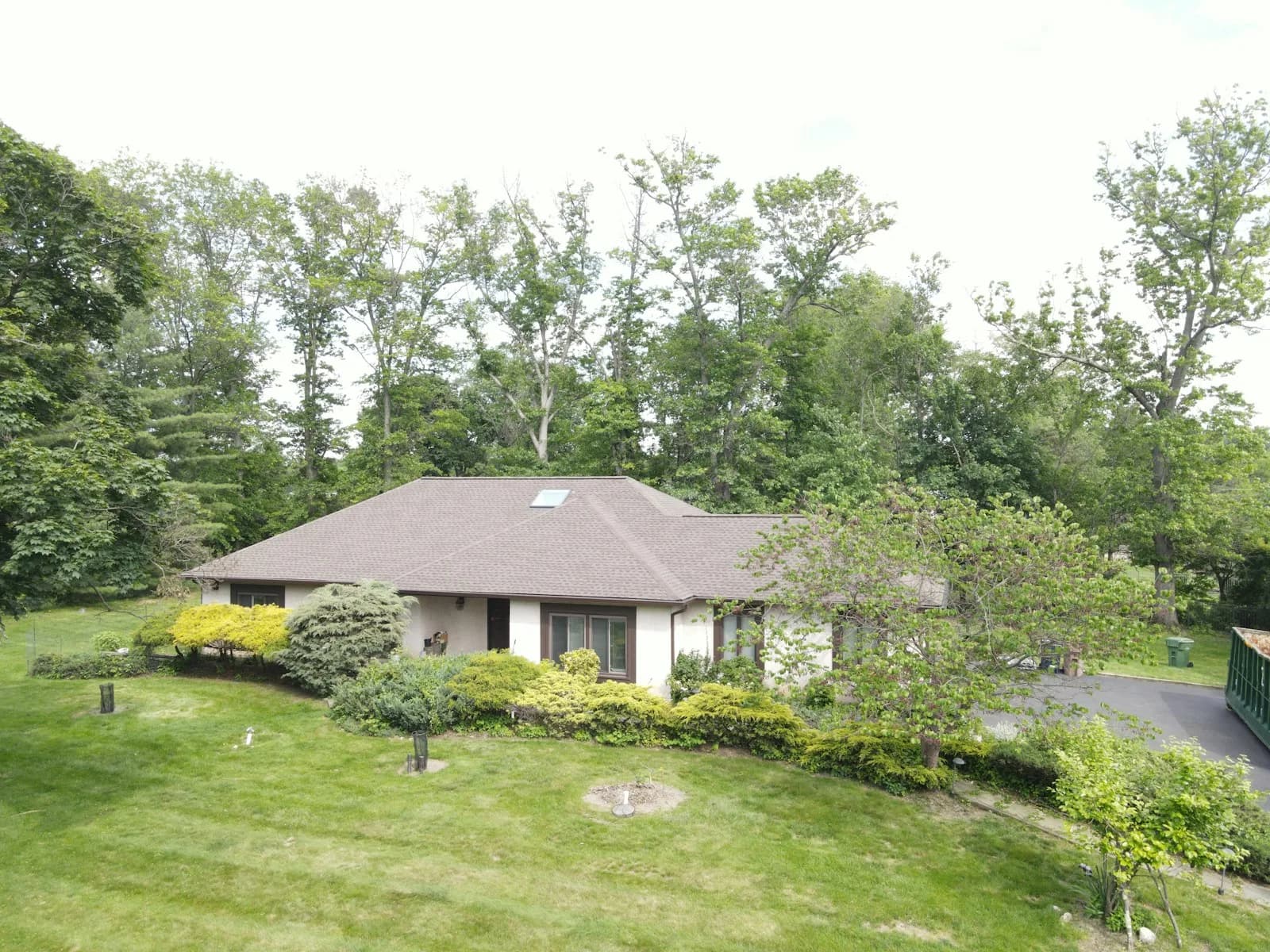
Open rural exposures may draw attention to edges and ridges; tree-covered properties may show impact or debris. These are inspection priorities, not automatic diagnoses. A shingle on the ground may even have come from a different building.
4. Request an assessment with useful context
Provide the address, event date, active symptoms and access restrictions. State whether the property is occupied and whether tree or utility work may be needed first. Separate requests for temporary protection from the final repair assessment.
Keep repair history and any insurer instructions available. Ask for a scope that distinguishes observed storm damage from existing deterioration, explains limitations and identifies related trades. Coverage decisions remain with the insurer, and no inspection guarantees a claim outcome.
One more useful question
How soon should I report visible damage?
Report an active leak or unsafe condition promptly through the appropriate channel. For roofing availability, call with the details. Safe access, weather and the extent of damage determine what can be assessed and when.
Further technical reading
Manufacturer references are educational; they do not imply certification or affiliation.
GAF: storm damage informationGAF: roof maintenance and storm preparation